Five pillars of lasting change.
Our work spans environmental restoration, climate resilience, sustainable agriculture, community development, and environmental protection — because a resilient future requires all of them working together.
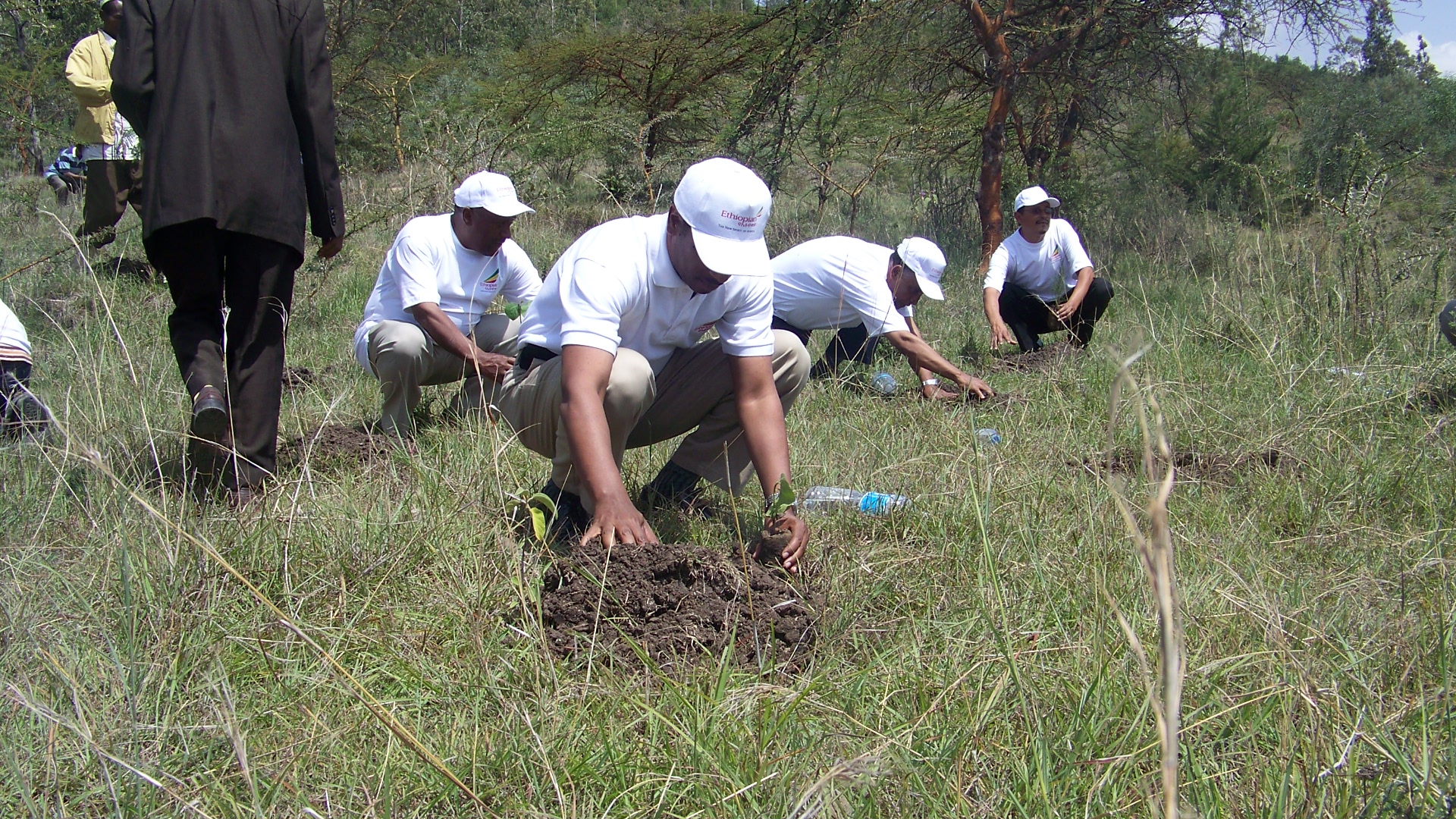
Forest Restoration
Ethiopia has lost a significant portion of its original forest cover over the past century through agricultural expansion, charcoal production, and population pressure. Restoring these landscapes is one of the most urgent environmental priorities the country faces.
Our reforestation programme focuses on native species selection, community-operated nurseries, long-term monitoring, and the integration of tree planting with sustainable land-use systems. We prioritise watersheds, biodiversity corridors, and areas of high ecological importance.
Our Approach
- Native species sourced from local gene pools
- Community-operated nurseries providing local employment
- Multi-year survival monitoring and site management
- Integration with agroforestry and watershed protection
- Carbon sequestration measurement and reporting

Climate Resilience
Ethiopian farming communities are on the front lines of climate change. Increasingly erratic rainfall, prolonged droughts, and severe flooding are undermining food security and livelihoods that millions of people depend on.
Our climate resilience work helps communities understand, anticipate, and adapt to these changes. We combine practical interventions — including drought-tolerant crop varieties, water harvesting systems, and soil conservation structures — with community-level planning processes that ensure solutions are locally appropriate and sustained over time.
Key Interventions
- Drought-tolerant and locally adapted seed varieties
- Rainwater harvesting and micro-irrigation systems
- Soil and water conservation earthworks
- Community-based climate risk planning
- Integration with national climate adaptation frameworks
Sustainable Agriculture
Agriculture is the foundation of rural livelihoods in Ethiopia, yet conventional farming practices are depleting soils, reducing biodiversity, and leaving communities vulnerable to climate shocks. Transforming agriculture is central to our mission.
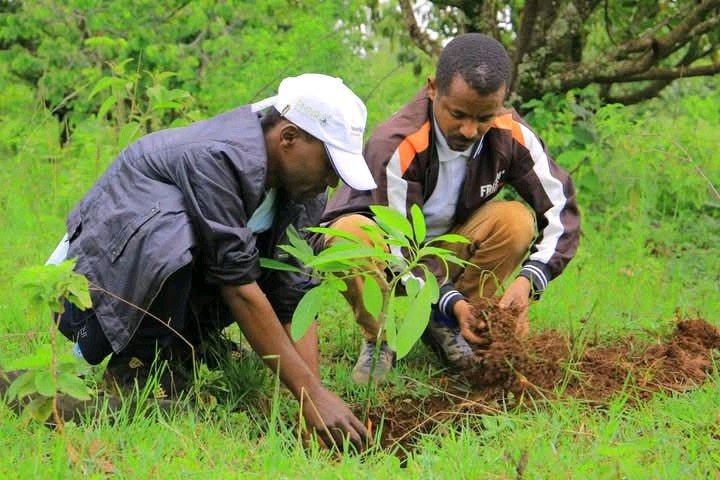
We train farmers in agroforestry, composting, integrated pest management, and cooperative farming systems that improve yields while restoring soil health. We work with women farmers and youth as primary agents of agricultural transformation, recognising that their empowerment is essential to lasting change.
What We Deliver
- Practical training in climate-smart agriculture
- Agroforestry integration on degraded farmland
- Cooperative formation and market linkage support
- Post-harvest storage and food security improvements
- Women and youth farmer empowerment programmes
Community Development
Environmental restoration is only durable when communities have the capacity, resources, and incentives to sustain it. Our community development programmes address the social and economic dimensions of rural life alongside the ecological ones.
We support cooperative formation, skills training, digital literacy, library and internet access for rural teachers and health workers, and innovation hubs that bring together environmental and social services in a single community infrastructure.
The Qatbare Smart Village is our flagship model: a rural community that has integrated solar energy, digital education, permaculture demonstration, and community health services into a coherent and replicable system.
Programme Areas
- Farmer cooperative formation and strengthening
- Innovation hubs and digital learning centres
- Rural service provider empowerment
- Women's and youth leadership programmes
- Community health and nutrition initiatives
Environmental Protection
Planting trees is only part of the story. Ethiopia's natural environments need active protection from overgrazing, illegal charcoal production, wetland drainage, and encroachment. We work with communities and local institutions to establish and sustain protection systems.
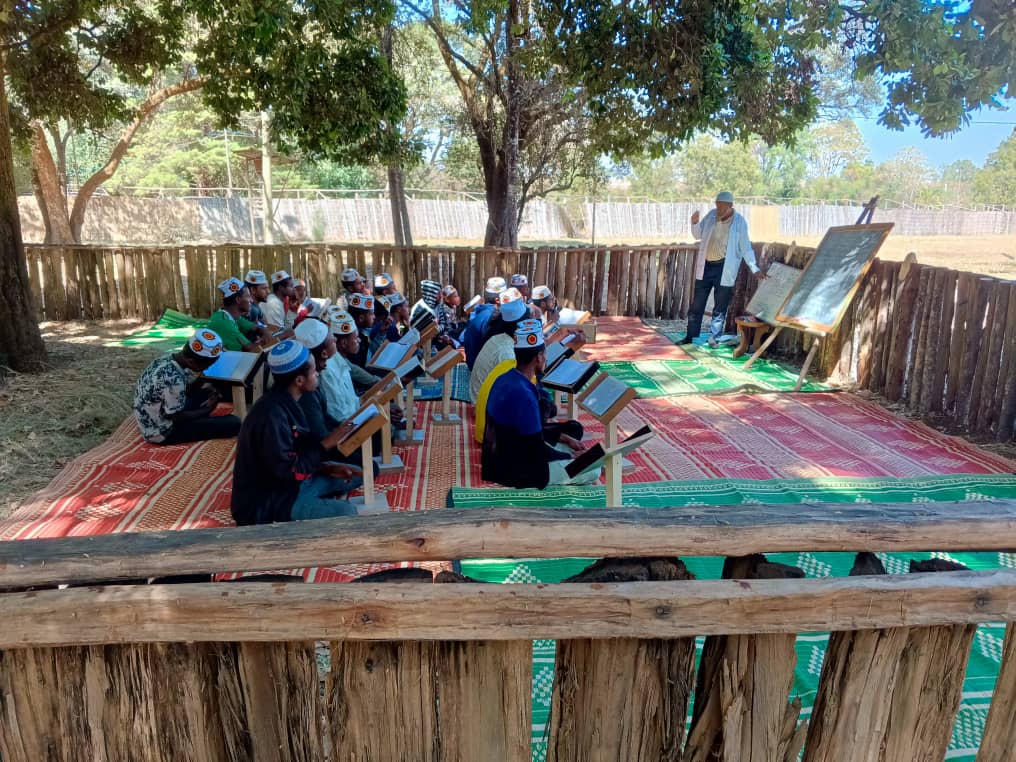
Our environmental education work integrates indigenous ecological knowledge with contemporary conservation science, reaching farmers, students, religious institutions, and community leaders. We also work with Hadras — traditional Islamic institutions — to integrate environmental stewardship into their community leadership and spiritual frameworks.
Key Activities
- Community conservation bylaws and local governance
- Environmental education in schools and communities
- Wetland protection and watershed stewardship
- Indigenous and spiritual ecological frameworks
- Policy advocacy for environmental regulation
Ready to build something that lasts?
Our programmes are designed for genuine long-term partnership. If you share our commitment to environmental and community outcomes in Ethiopia, we want to hear from you.
Start a Conversation